

Surface piercing Gallery
$$MultiPurposeText$$
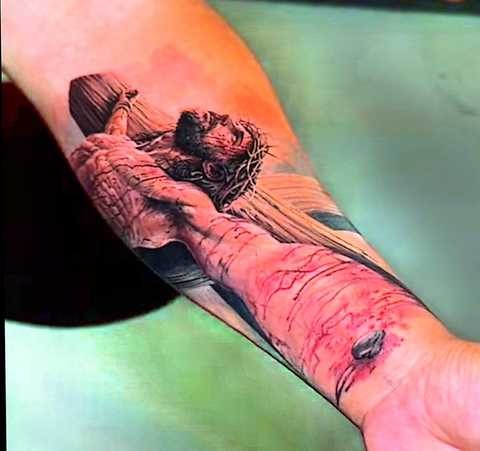
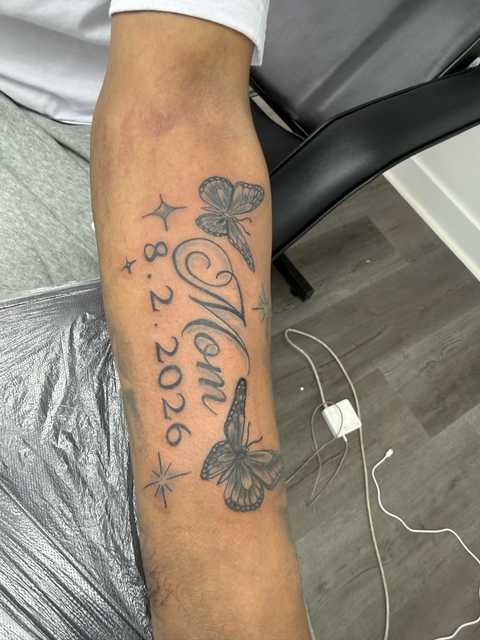
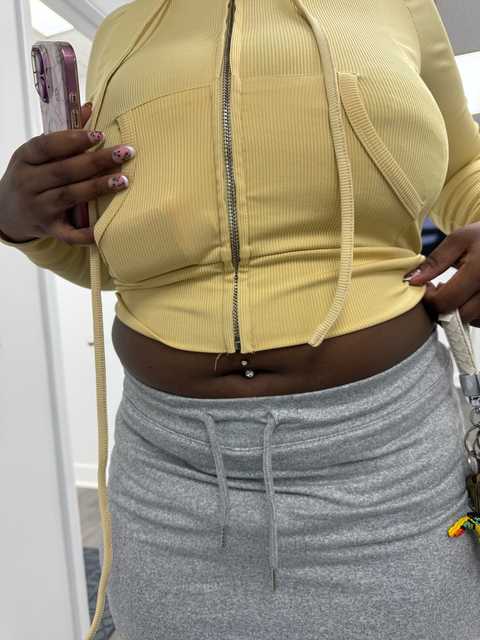
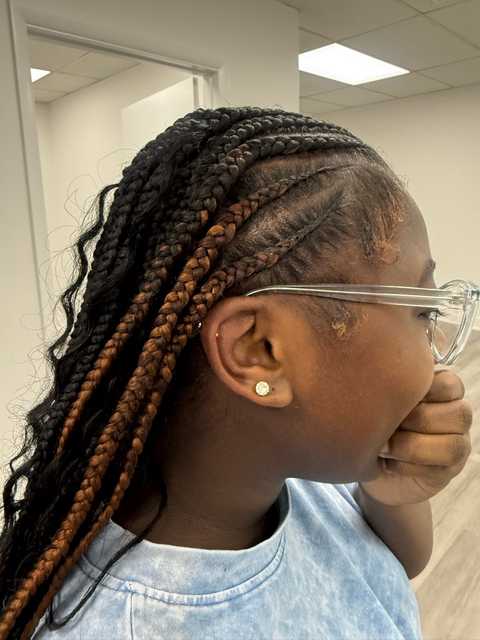
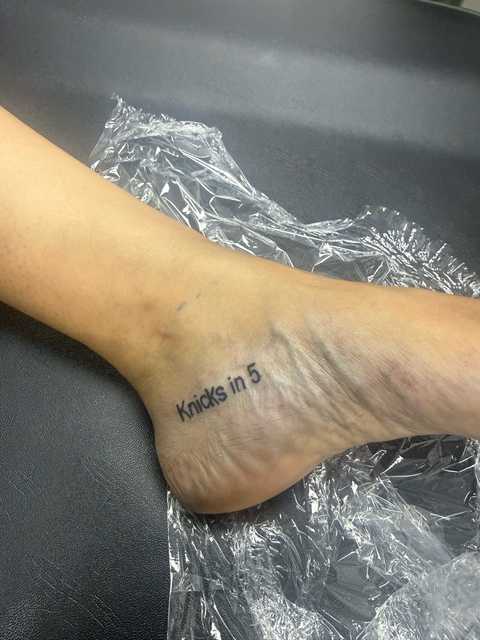
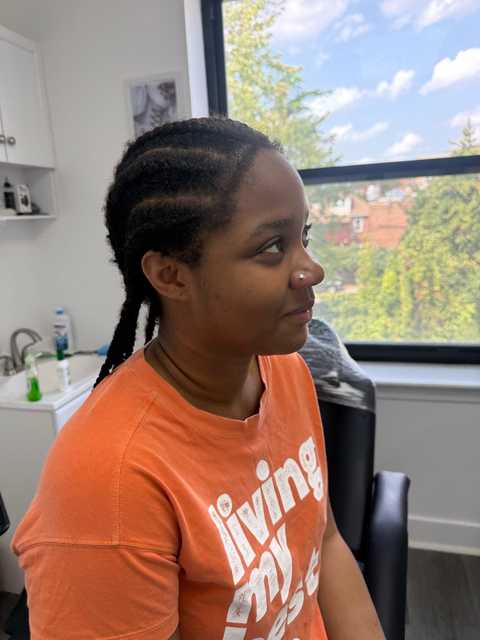
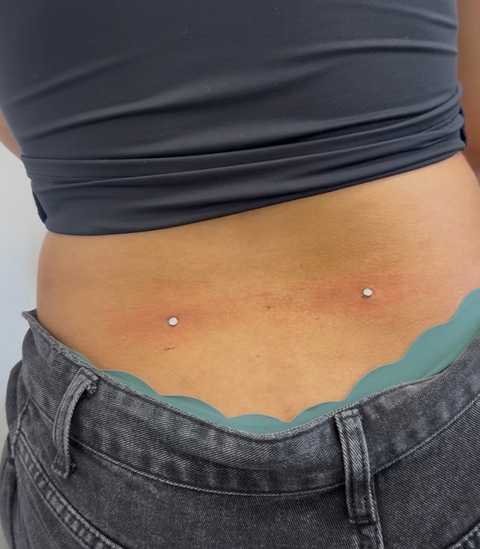
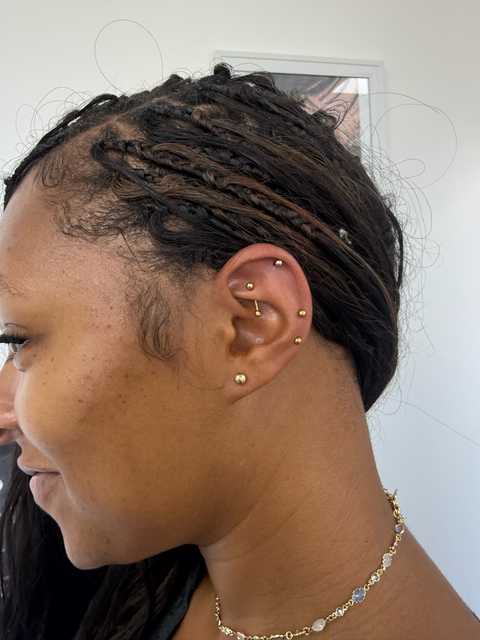
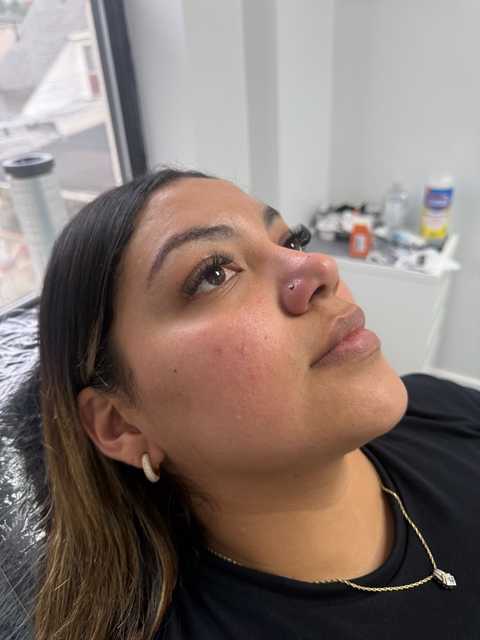
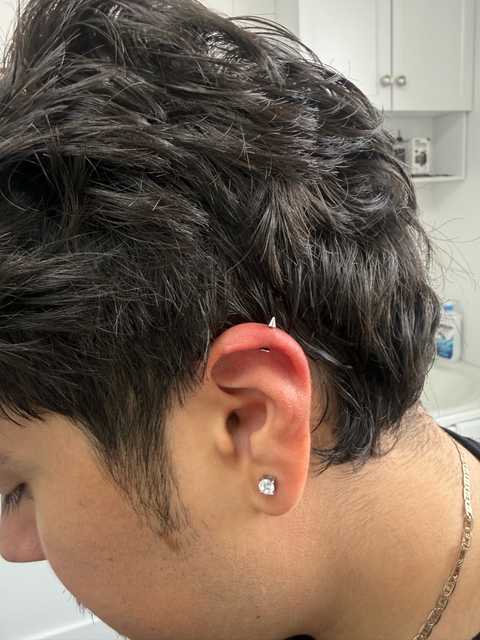
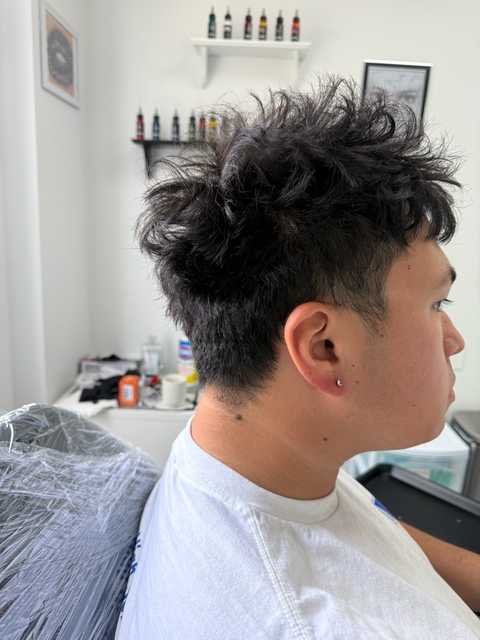
See examples of our Surface piercing work and results.


What Our Clients Say
$$MultiPurposeText$$
Read testimonials from our satisfied customers

I had a great experience, told me how the process was gonna go took his time with everythi...more

This is the best place I went to get my piercing highly recommended to anyone and they are...more

This place was the best!! I was an unexpected customer and was able to get an appointment.

Nice place to have a ear piercing done. Sugar was very friendly and professional! Will 100...more

Yes the best tattoo artist and piercing, with great customer service guaranteed

I came in for piercing last weekend, customer service was top notch and the staff were so ...more

Frequently Asked Questions
Get answers to common questions about Surface piercing.
Surface piercings are placed parallel to the skin using barbell or surface bars, unlike traditional piercings that pass through tissue. They require specialized technique and jewelry to reduce migration and rejection. Our artists evaluate anatomy to recommend suitable placements and methods.
Healing varies by location and individual, commonly three to twelve months. Shallow sites may heal faster while areas under movement can take longer. We schedule check-ins and advise on care to support healing and monitor any signs of rejection or infection.
Clean twice daily with sterile saline, avoid alcohol or peroxide, and do not rotate jewelry. Keep clothing and hair away from the site, avoid submerging in pools, and contact us for concerns or scheduled follow-up appointments.
Common surface locations include nape, chest, sternum, hips, and wrist, but suitability depends on your anatomy. During consultation we assess skin thickness, movement, and lifestyle to recommend placements with the best chance of long-term success.
We use implant-grade titanium, niobium, and 14k/18k gold options to minimize allergic reactions. Flexible biocompatible materials are available for areas with movement. Cheap metals increase rejection risk, so we avoid them for initial jewelry.
Surface piercings can be professionally removed or resized, but removal may leave a small scar and require wound care. Replacement jewelry must suit the healed channel. Schedule a consultation so we can evaluate your piercing and outline options safely.
Read more about Surface piercing
$$MultiPurposeText$$
Explore our latest insights and guides on Surface piercing.
Body Piercing Services in South Orange Village: Types & Safety
Published On: August 21, 2026