
Nipple piercing Gallery
$$MultiPurposeText$$
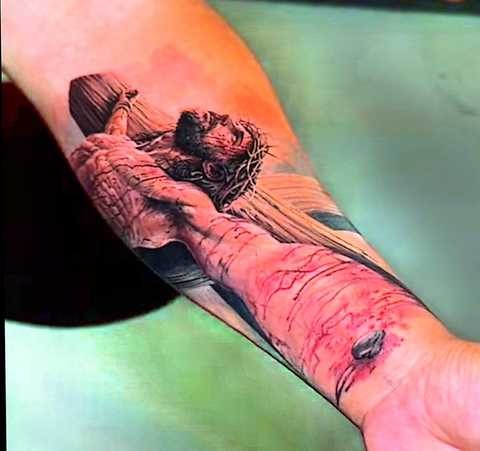
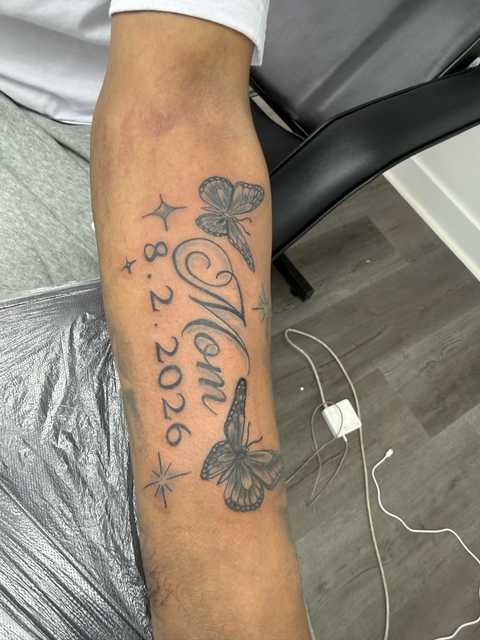
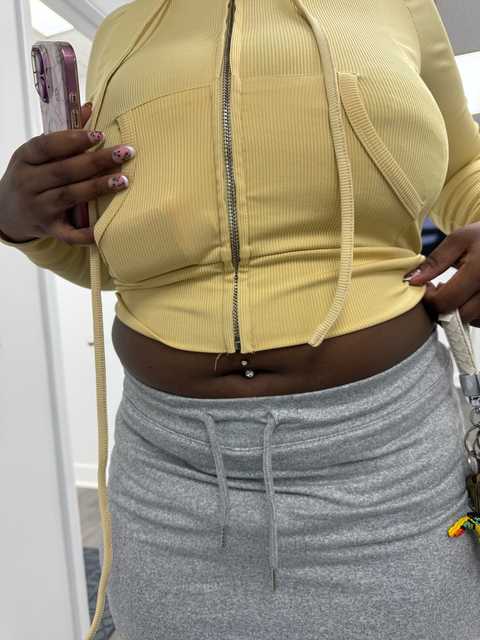
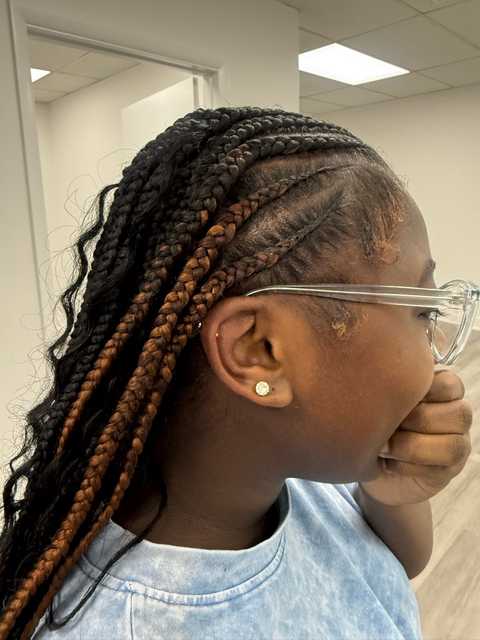
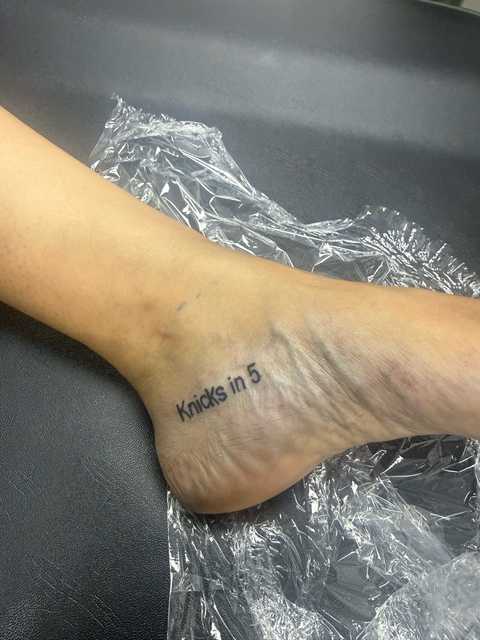
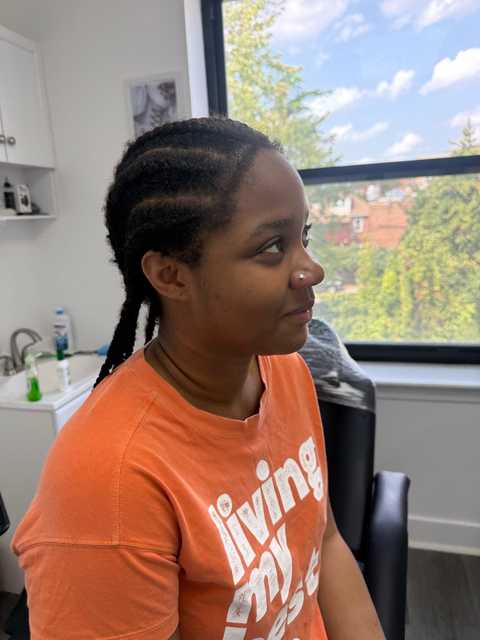
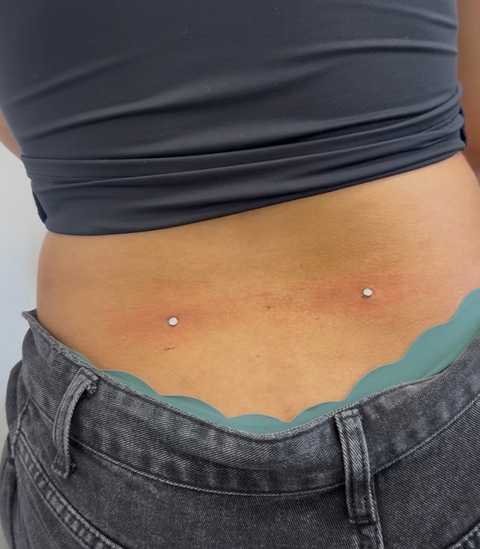
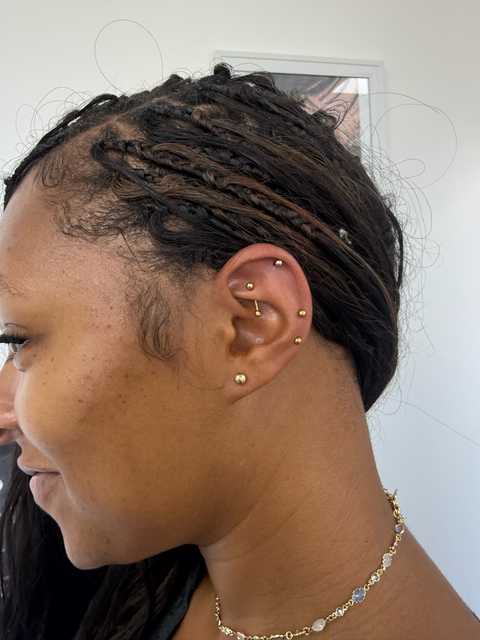
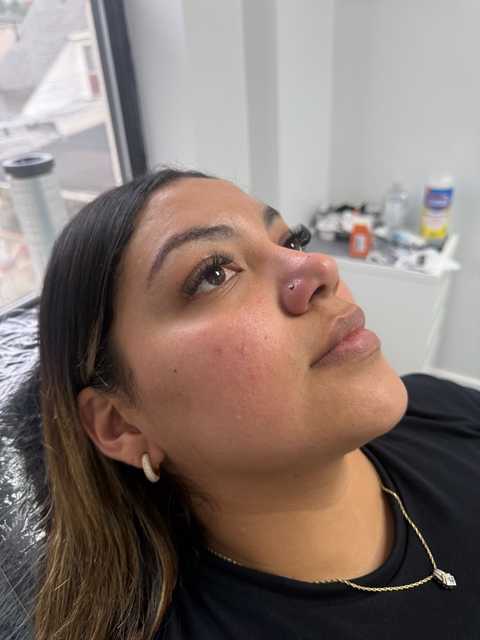
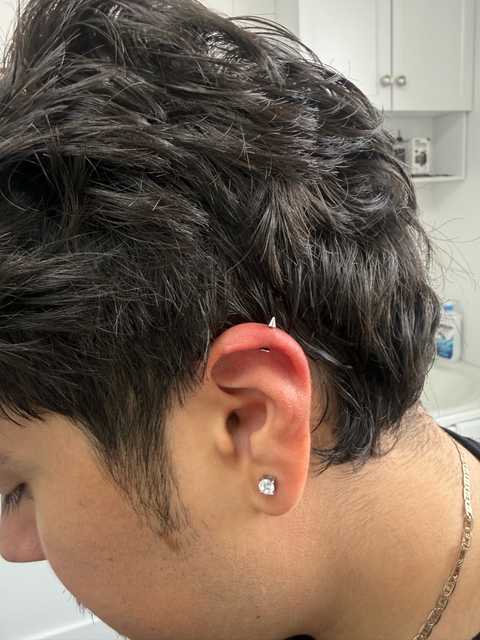
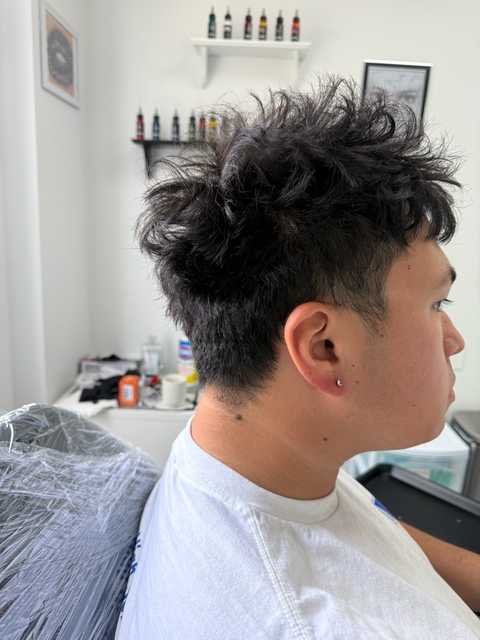
See examples of our Nipple piercing work and results.


What Our Clients Say
$$MultiPurposeText$$
Read testimonials from our satisfied customers

I had a great experience, told me how the process was gonna go took his time with everythi...more

This is the best place I went to get my piercing highly recommended to anyone and they are...more

This place was the best!! I was an unexpected customer and was able to get an appointment.

Nice place to have a ear piercing done. Sugar was very friendly and professional! Will 100...more

Yes the best tattoo artist and piercing, with great customer service guaranteed

I came in for piercing last weekend, customer service was top notch and the staff were so ...more

Frequently Asked Questions
Get answers to common questions about Nipple piercing.
Typical healing takes six to twelve months, varying by individual. Follow aftercare instructions, avoid irritation, and wear proper jewelry. Check-ins with your piercer can catch issues early. Healing timelines differ based on anatomy and lifestyle factors like exercise and clothing choice.
Pain is subjective; many describe sharp, brief discomfort followed by tenderness. Our experienced piercers use quick techniques and calming environment to minimize pain. Nipple tissue sensitivity varies, so topical numbing options can be discussed during consultation if appropriate.
We recommend implant-grade titanium or niobium for initial jewelry due to hypoallergenic properties. Straight barbells or captive bead rings are common choices. Your piercer will select appropriate gauge and length for anatomy to ensure comfort and healthy healing.
Clean twice daily with the supplied saline solution and wash hands before touching. Avoid swimming, harsh soaps, or lotions near the area. Wear breathable, non-restrictive clothing and sleep in positions that avoid pressure on the piercing until fully healed.
Risks include infection, migration, rejection, scarring, and prolonged sensitivity. Proper technique, quality jewelry, and consistent aftercare minimize these risks. Contact your piercer promptly if you notice excessive redness, swelling, pus, severe pain, or jewelry loosening.
Many people successfully breastfeed after healed nipple piercings, but it's recommended to remove jewelry during nursing to prevent choking or tearing. Always consult both your piercer and lactation consultant; if considering pregnancy, discuss timing of piercing and potential removal until after breastfeeding.
Read more about Nipple piercing
$$MultiPurposeText$$
Explore our latest insights and guides on Nipple piercing.
Body Piercing Services in South Orange Village: Types & Safety
Published On: August 21, 2026