
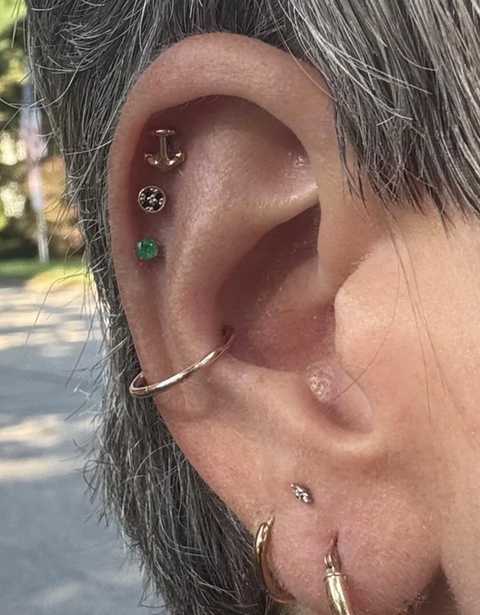
Conch piercing Gallery
$$MultiPurposeText$$
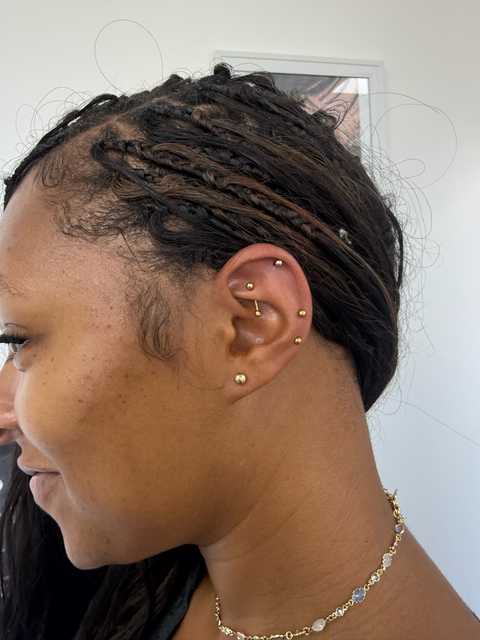
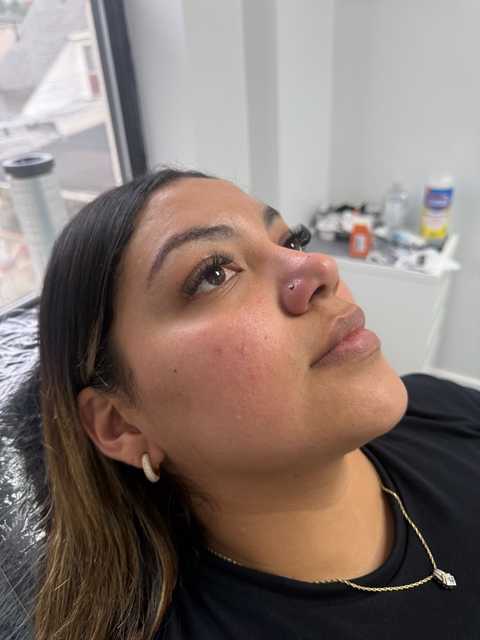
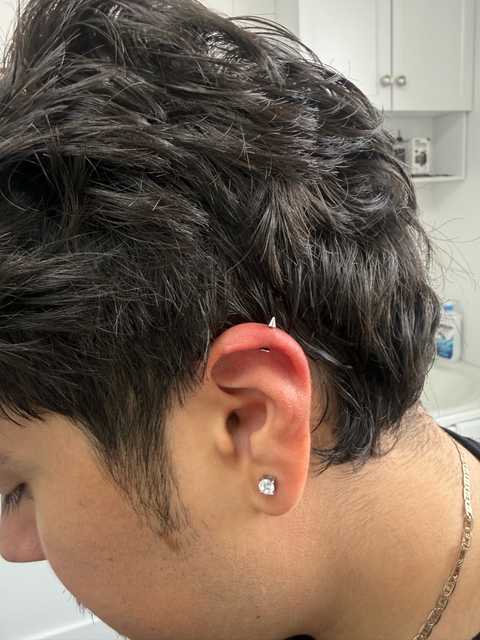
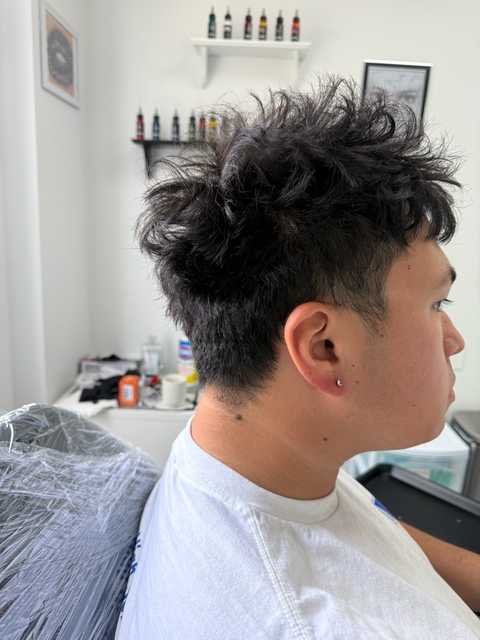
See examples of our Conch piercing work and results.
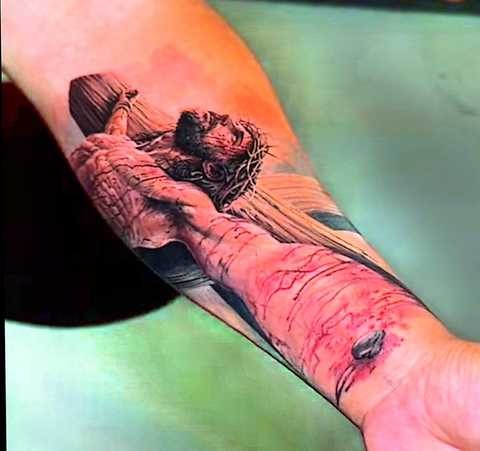

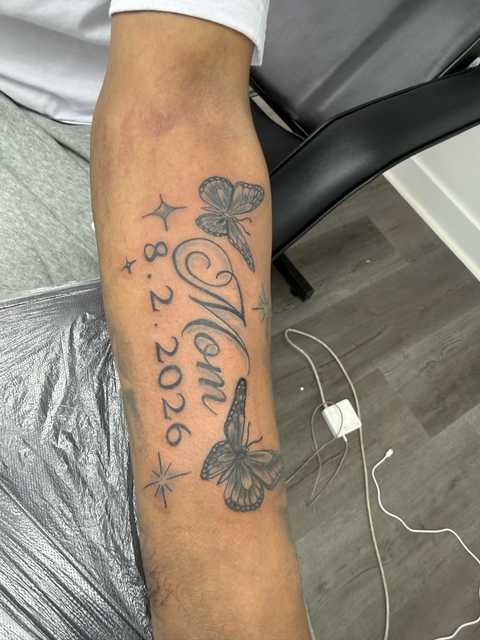

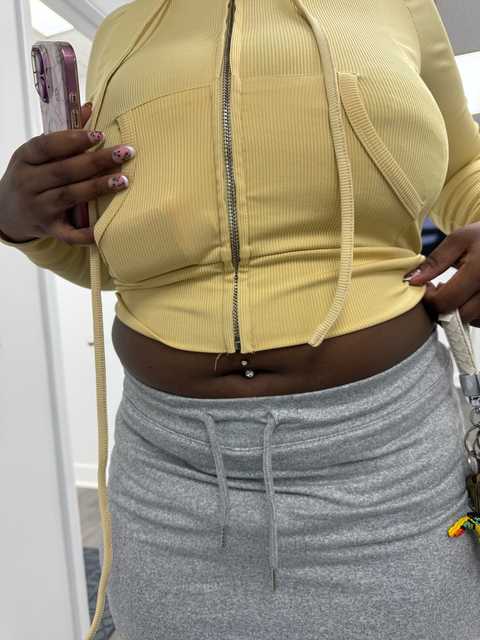
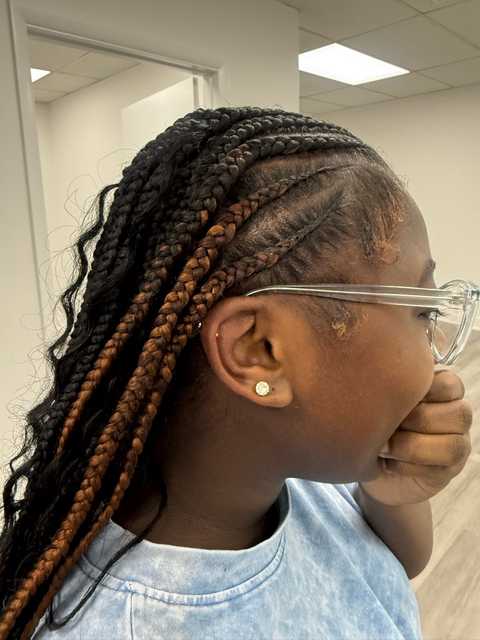
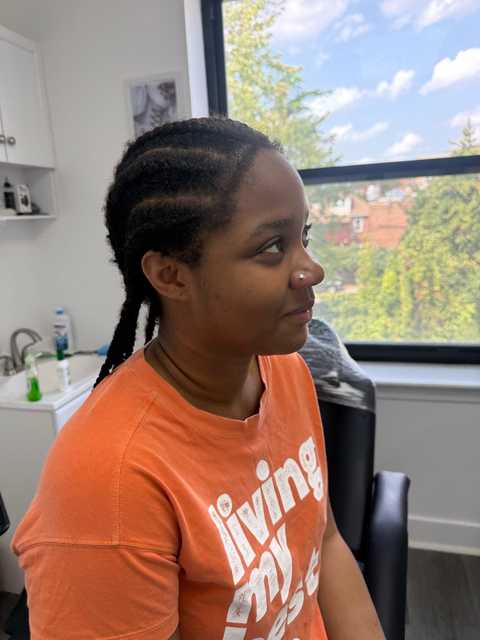
What Our Clients Say
$$MultiPurposeText$$
Read testimonials from our satisfied customers

I had a great experience, told me how the process was gonna go took his time with everythi...more

This is the best place I went to get my piercing highly recommended to anyone and they are...more

This place was the best!! I was an unexpected customer and was able to get an appointment.

Nice place to have a ear piercing done. Sugar was very friendly and professional! Will 100...more

Yes the best tattoo artist and piercing, with great customer service guaranteed

I came in for piercing last weekend, customer service was top notch and the staff were so ...more

Frequently Asked Questions
Get answers to common questions about Conch piercing.
Most clients feel moderate pressure or a sharp sensation during the piercing, similar to other cartilage piercings. Pain varies by person; we work quickly and precisely to minimize discomfort. Aftercare and topical numbing options can help reduce immediate soreness during and after the procedure.
Conch piercings typically take 6 to 12 months to fully heal, depending on anatomy and aftercare. Cartilage heals slower than lobe piercings; follow cleaning instructions, avoid sleeping on it, and wear recommended implant-grade jewelry to support a healthy, timely recovery.
We recommend implant-grade titanium or surgical stainless steel studs and captive bead rings for initial wear. Appropriate diameter and thickness support healing and reduce irritation. After healing, you can switch to decorative hoops, studs, or curved pieces with professional guidance.
Avoid swimming in pools, hot tubs, lakes, and oceans for at least two to four weeks, or until the initial healing phase progresses. Chlorine and bacteria increase infection risk. If you must swim, keep the area covered and clean immediately afterward.
Clean twice daily with saline solution or a studio-recommended aftercare spray, avoid rotating jewelry, and keep hair and headphones away. Sleep elevation, hand hygiene, and avoiding irritants like alcohol or peroxide help. Follow our specific aftercare plan and contact us if infection signs appear.
No. Avoid changing jewelry until the piercing is fully healed unless done by a professional. Premature changes can cause irritation, migration, or infection. Schedule an appointment for safe size or style adjustments so we can fit appropriate implant-grade jewelry.
Read more about Conch piercing
$$MultiPurposeText$$
Explore our latest insights and guides on Conch piercing.
Body Piercing Services in South Orange Village: Types & Safety
Published On: August 21, 2026